
🦷 Bleeding Gums — What It Means & What to Do
Understanding the significance of bleeding gums is crucial. It can often indicate underlying health issues, and ignoring them can lead to more severe dental problems. Being proactive about your oral health is key.
Bleeding gums are a common concern—and an important signal that your gums may need attention. At Polaris Dental, we often remind patients that healthy gums should not bleed during normal brushing or flossing. When they do, it’s usually a sign of inflammation that deserves timely care.
Regular dental check-ups play a vital role in maintaining gum health. During these visits, dental professionals can identify early signs of gum disease and recommend appropriate treatments.
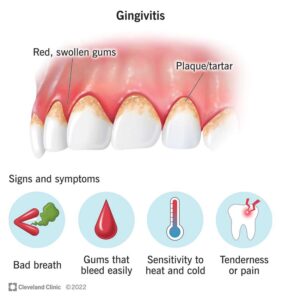
What causes bleeding gums?
Aside from gingivitis, other conditions such as periodontitis can arise if bleeding gums are left untreated. Periodontitis is characterized by the loss of bone that supports your teeth, which can lead to tooth mobility and eventual loss.
1. Gingivitis (early gum disease)
The most common cause. Plaque buildup along the gumline irritates the gums, leading to redness, swelling, and bleeding—especially during brushing or flossing.
For example, studies have shown that nearly 50% of adults have some form of gum disease, which begins with gingivitis. Recognizing the early symptoms can help prevent progression.
2. Plaque and tartar buildup
When plaque isn’t removed regularly, it hardens into tartar, which can only be removed with professional cleaning. Tartar keeps gums inflamed and prone to bleeding.
It’s essential to establish a daily oral hygiene routine that includes brushing twice a day and flossing regularly to minimize plaque accumulation.
3. Brushing too hard or improper technique
Aggressive brushing or using a hard-bristled toothbrush can injure gum tissue and cause bleeding.
4. Hormonal changes
Pregnancy, puberty, or hormonal fluctuations can make gums more sensitive and susceptible to bleeding.
Hormonal changes can also affect your body’s response to plaque. For example, during pregnancy, increased levels of hormones can enhance blood flow to the gums, making them more sensitive and susceptible to inflammation.
5. Nutritional deficiencies or medications
Low vitamin C or K, and certain medications (such as blood thinners), can increase gum bleeding.
Nutritional deficiencies can lead to weakened immune responses, making it vital to maintain a balanced diet rich in vitamins and minerals, especially vitamins C and K, for healthy gums.
Why you shouldn’t ignore bleeding gums
Bleeding gums are often reversible when addressed early. If left untreated, gingivitis can progress to periodontitis, a more serious form of gum disease that may lead to gum recession, bone loss, and even tooth loss.
Ignoring bleeding gums can have systemic health implications as well. Studies indicate a link between gum disease and conditions such as heart disease and diabetes, emphasizing the importance of oral health in overall wellness.
Early intervention helps:
Regular dental visits not only aid in early detection of gum issues but also allow your dentist to provide tailored advice on your oral care routine.
-
Protect the supporting bone around teeth
-
Prevent bad breath and gum recession
-
Reduce the need for complex periodontal treatment
How Polaris Dental treats bleeding gums
At Polaris Dental, we focus on prevention, early diagnosis, and gentle care. Treatment may include:
At Polaris Dental, our approach to treating bleeding gums includes not just addressing the immediate issue but also educating our patients on preventative measures.
-
Comprehensive dental examination and gum assessment
This comprehensive examination allows us to assess any changes in gum health over time and make necessary adjustments to treatment plans.
-
Professional dental cleaning to remove plaque and tartar
During professional cleaning, dentists not only remove plaque and tartar but also provide insights on effective brushing and flossing techniques tailored to individual needs.
-
Personalized oral hygiene guidance
Oral hygiene guidance includes personalized recommendations for toothbrush types, toothpaste, and rinses that can best suit your dental needs.
-
Ongoing monitoring to ensure gums return to health
Our continuous monitoring ensures that any changes in your gum health are promptly addressed, reinforcing the importance of regular follow-up visits.
Our goal is to restore gum health comfortably and help patients maintain it long term.
When should you see a dentist?
Don’t hesitate to reach out to your dentist if you observe any unusual changes in your gum health. Early intervention is key.
Book an appointment if:
Each of these symptoms can indicate different stages of gum disease, from mild gingivitis to more advanced periodontitis.
-
Your gums bleed consistently for more than 1–2 weeks
It’s crucial to maintain communication with your dental care provider about any new symptoms to ensure prompt care.
-
You notice swelling, tenderness, or gum recession
-
You have persistent bad breath or loose teeth
Take the next step toward healthier gums
Taking the next steps toward healthier gums is not only crucial for your dental health but can also positively impact your overall health.
Bleeding gums are your body’s way of asking for care. With early treatment and proper oral hygiene, healthy gums are absolutely achievable.
Incorporating regular visits to the dentist, adequate oral hygiene, and balanced nutrition can lead to a significant improvement in gum health.
📍 Visit Polaris Dental in Brampton
📞 Call 905-453-0990
📧 Email info@polarisdental.ca