
Bleeding Gums: Causes, Treatment, and When to See a Dentist in Brampton
Bleeding gums are one of the most common early signs of gum disease, yet many people ignore it until the condition becomes serious. If your gums bleed when brushing, flossing, or eating, it may indicate inflammation or infection that requires professional dental care.
At Polaris Dental in Brampton, we frequently help patients treat and prevent bleeding gums before they progress into more severe periodontal problems.
In this article, we’ll explain the common causes of bleeding gums, treatment options, and how to maintain healthy gums.
What Causes Bleeding Gums?
Bleeding gums usually occur when plaque buildup irritates the gum tissue. Plaque is a sticky film of bacteria that forms on teeth daily.
If plaque is not removed through proper brushing and flossing, it can lead to inflammation of the gums known as gingivitis.
Common causes include:
1. Gingivitis (Early Gum Disease)
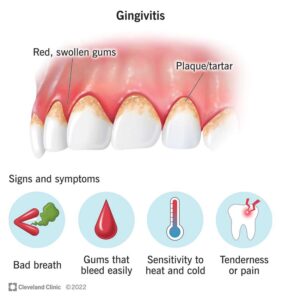
This is the most frequent cause of bleeding gums. Symptoms include:
-
Red or swollen gums
-
Bleeding when brushing or flossing
-
Tender gum tissue
If treated early with professional dental cleaning and improved oral hygiene, gingivitis can be reversed.
2. Periodontitis (Advanced Gum Disease)
When gingivitis is left untreated, it may progress to periodontitis, a more serious infection that can damage the bone supporting your teeth.
Signs include:
-
Persistent gum bleeding
-
Gum recession
-
Bad breath
-
Loose teeth
Professional periodontal treatment is required to stop the disease.
3. Brushing Too Hard
Using a hard toothbrush or aggressive brushing technique can irritate gum tissue and cause bleeding.
Dentists recommend:
-
Soft-bristled toothbrush
-
Gentle circular brushing technique
-
Brushing twice daily
4. Poor Flossing Habits
If you rarely floss, your gums may bleed when you first start. This usually improves after a few days of consistent flossing.
Flossing removes plaque between teeth where toothbrushes cannot reach.
5. Vitamin Deficiencies
Low levels of Vitamin C or Vitamin K may contribute to bleeding gums.
Eating a balanced diet with fruits, vegetables, and leafy greens helps support gum health.
6. Hormonal Changes
Hormonal fluctuations during:
-
Pregnancy
-
Puberty
-
Menopause
can make gums more sensitive and prone to bleeding.
How Dentists Treat Bleeding Gums
At Polaris Dental, treatment depends on the underlying cause.
Common treatments include:
Professional Dental Cleaning
Removing plaque and tartar buildup helps reduce gum inflammation and bleeding.
Deep Cleaning (Scaling and Root Planing)
For early periodontal disease, deep cleaning removes bacteria below the gumline.
Improved Oral Hygiene Routine
Your dentist may recommend:
-
Proper brushing techniques
-
Daily flossing
-
Antibacterial mouthwash
Periodontal Therapy
Advanced gum disease may require specialized periodontal treatment to restore gum health.
How to Prevent Bleeding Gums
Preventing gum disease starts with consistent oral care.
Follow these tips:
-
Brush twice daily with a soft toothbrush
-
Floss every day
-
Use antibacterial mouthwash
-
Visit your dentist every 6 months
-
Avoid smoking
-
Maintain a healthy diet
Routine dental visits allow dentists to detect gum problems early before they become serious.
When Should You See a Dentist for Bleeding Gums?
Occasional bleeding from flossing may not be a concern. However, you should see a dentist if:
-
Bleeding happens frequently
-
Gums are swollen or painful
-
You have persistent bad breath
-
Teeth feel loose
Early treatment can prevent gum disease from progressing and protect your long-term oral health.
Bleeding Gums Treatment in Brampton
If you are experiencing bleeding gums, professional dental care can help restore your gum health.
At Polaris Dental in Brampton, our team provides comprehensive preventive and periodontal care to keep your smile healthy.
Regular dental checkups, professional cleanings, and personalized oral hygiene advice can help stop bleeding gums and prevent future gum disease.
If you notice bleeding when brushing or flossing, schedule a dental checkup at Polaris Dental today to protect your gums and overall oral health.