
Lower teeth crowding can be corrected in a few different ways, depending on the severity, your age, and whether you’re looking for cosmetic or functional improvement. Understanding the various treatment options available can help you make an informed decision. Here are the main options:
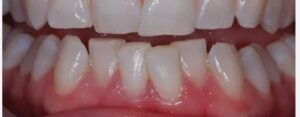
1. Orthodontic Treatment (Most Common & Effective)
- Braces (metal or ceramic): Gradually move crowded teeth into alignment. Braces are often the go-to choice for moderate to severe cases and when bite correction is also needed. They work by applying constant pressure to the teeth over time, effectively shifting them into the desired position. Regular adjustments are necessary to ensure continued progress, and many patients find that the results are well worth the commitment.
- Clear aligners (e.g., Invisalign): Popular for mild to moderate crowding. These aligners are removable, making them more aesthetic and comfortable for adults. They are made from clear plastic, making them virtually invisible when worn. Many patients prefer this option because it allows for greater flexibility in eating and cleaning teeth. Treatment with clear aligners typically involves a series of aligners that are changed every few weeks, gradually shifting the teeth into the desired position.
- Lingual braces: Braces placed behind the teeth, less visible but more challenging to clean and adjust. These braces are a great option for those who want the benefits of traditional braces without the aesthetic concerns. While they can be more difficult to maintain due to their positioning, many patients find them to be a suitable compromise between effectiveness and discretion.
2. Retainers for Minor Crowding
- If teeth have only shifted slightly (common after braces if retainers weren’t worn), a removable retainer with active springs or clear aligners can fix small rotations and crowding. Retainers are custom-made to fit the individual’s teeth and are often more comfortable than braces.
3. Interproximal Reduction (IPR)
- A small amount of enamel is shaved between teeth to create space for realignment. Usually combined with aligners or braces for mild to moderate crowding. This procedure is often done in conjunction with other orthodontic treatments to maximize effectiveness and can be a less invasive option than tooth extraction.
4. Tooth Extraction
- In severe crowding cases, one or more teeth may be extracted to create enough room for alignment. This is more common in traditional orthodontics where space is required for the remaining teeth to shift into proper alignment. After the extraction, the orthodontist will create a customized treatment plan to guide the remaining teeth into their new positions.
5. Cosmetic Options (Quick Fixes)
- Veneers or bonding: Can give the appearance of straighter teeth, but they don’t fix the underlying crowding. These cosmetic treatments can reshape or cover the teeth. However, they are typically best for very mild cases or if you want a cosmetic-only approach. The process involves applying a thin layer of material over the front of the teeth to mask imperfections.
👉 For best long-term results, orthodontic treatment (braces or aligners) combined with a proper retainer plan is the most reliable way to correct and maintain straight lower teeth. Investing time and effort into a comprehensive orthodontic treatment plan can lead to a lifetime of confidence in your smile.