
Gingivitis vs Periodontitis: How Avoiding the Dentist Can Turn a Small Gum Problem into Serious Gum Disease
Bleeding gums are often ignored because they don’t always cause pain. Many people assume it’s normal or something that will resolve on its own. However, bleeding gums are usually an early warning sign of gum disease. When dental visits are avoided, gingivitis can slowly and silently progress into periodontitis, a much more serious condition.
Ignoring bleeding gums can lead to significant oral health issues. For instance, many patients report feeling overwhelmed with the amount of information available about dental care. To simplify it, it’s crucial to understand that even minor symptoms like bleeding can be indicative of underlying issues.
At Polaris Dental, we frequently see patients who wish they had addressed gum issues earlier—when treatment was simpler and completely reversible.
What is Gingivitis?
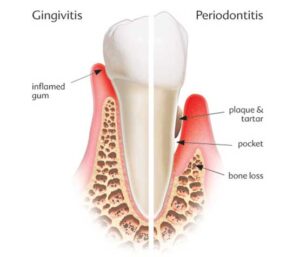
Gingivitis is the earliest stage of gum disease. It occurs when plaque—a sticky film of bacteria—builds up along the gumline and irritates the gums.
Moreover, it’s essential to recognize that gingivitis can affect individuals of all ages. Factors like hormonal changes in puberty, pregnancy, or menopause can amplify the risk. Additionally, conditions such as diabetes can make the gums more susceptible to inflammation. Hence, early intervention becomes critical.
Common signs of gingivitis:
-
Gums that bleed when brushing or flossing
-
Red, swollen, or tender gums
-
Mild but persistent bad breath
Gingivitis usually develops when plaque is not fully removed due to:
-
Inconsistent brushing or flossing
-
Skipped professional dental cleanings
-
Plaque accumulating along the gumline
The good news
Gingivitis is completely reversible with professional dental cleaning and improved oral hygiene at home.
To combat gingivitis effectively, consider incorporating more nutrient-rich foods into your diet. Foods high in vitamin C, like oranges and strawberries, can help strengthen your gums. Likewise, staying hydrated is vital as it helps wash away food particles and bacteria.
Why Avoiding the Dentist Makes Gingivitis Worse
When regular dental visits are delayed:
-
Plaque stays on teeth and gums
-
Plaque hardens into tartar (calculus)
-
Tartar traps bacteria under the gums
-
Inflammation becomes chronic
Tartar cannot be removed with brushing or flossing alone. Without professional cleaning, bacteria spread deeper beneath the gums, allowing gingivitis to progress.
What is Periodontitis?
Periodontitis is an advanced form of gum disease that develops from untreated gingivitis. At this stage, infection begins to damage the bone and connective tissues that support the teeth.
Periodontitis can manifest in various forms, and the severity can differ from one individual to another. For instance, aggressive periodontitis is a severe form that can affect younger people and can lead to rapid tooth loss. Understanding the types can help in recognizing symptoms early.
Signs of periodontitis may include:
-
Gums that bleed easily or continuously
-
Gum recession (teeth appear longer)
-
Persistent bad breath or bad taste
-
Loose or shifting teeth
-
Discomfort while chewing
Unlike gingivitis, periodontitis can cause permanent damage, including bone loss and tooth loss if left untreated.
In some cases, the signs of periodontitis are subtle. For example, a slight change in bite or the feeling that teeth are shifting can indicate an underlying problem. Regular check-ups can catch these changes before they escalate into something more serious.
Gingivitis vs Periodontitis: A Simple Comparison
To better illustrate the differences between gingivitis and periodontitis, think of gingivitis as the warning light on your car’s dashboard. If you ignore it, it could lead to a much more severe engine problem, akin to periodontitis, which could end up costing you a fortune in repairs—and that applies to your dental health too.
| Gingivitis | Periodontitis |
|---|---|
| Affects gums only | Affects gums and supporting bone |
| Mild inflammation | Advanced infection |
| Reversible | Damage may be permanent |
| Treated with cleaning and hygiene | May require deep cleaning or periodontal care |
Why Gum Disease Often Goes Unnoticed
Interestingly, many people don’t realize that factors such as stress can also play a significant role in gum disease. Stress can weaken your immune response, making it harder for your body to fight off infections, including gum disease. Finding effective stress management techniques can be beneficial for maintaining gum health.
Many people avoid dental visits because:
-
There is little or no pain
-
Bleeding seems minor
-
Dental anxiety or fear
-
Busy schedules
Unfortunately, gum disease often progresses quietly. By the time pain or loose teeth appear, the condition is usually advanced and requires more complex treatment.
How Regular Dental Care Prevents Gum Disease Progression
Another benefit of routine dental visits is that they provide an opportunity for professional advice. Dentists can give tailored recommendations based on your oral hygiene habits and lifestyle. For instance, using an electric toothbrush can sometimes be more effective than manual brushing, especially for those prone to plaque buildup.
Routine dental visits help by:
-
Removing plaque and tartar before damage occurs
-
Monitoring gum health over time
-
Catching inflammation early
-
Reducing the risk of bone loss and tooth loss
A simple cleaning today can prevent the need for advanced periodontal treatment tomorrow.
Final Thoughts
👉 Gingivitis is a warning sign. Periodontitis is the result of ignoring it.
The progression from gingivitis to periodontitis is slow, often painless, and largely preventable with regular dental care and good oral hygiene.
In addition, the connection between oral health and overall health is significant; studies suggest that gum disease may be linked to several systemic conditions such as heart disease and diabetes. Therefore, maintaining good oral hygiene is not just about your teeth but can also impact your overall health.
If you notice bleeding gums, early treatment can protect your smile and your long-term oral health.
Furthermore, implementing a consistent oral care routine at home is essential. This includes brushing twice daily with fluoride toothpaste and flossing at least once a day. Using an antibacterial mouthwash can also provide added protection against gum disease.
Why Regular Professional Cleanings Every 6 Months Matter
Routine professional dental cleanings every six months are one of the most effective ways to reverse gingivitis and prevent it from progressing to periodontitis. During these visits, plaque and hardened tartar are thoroughly removed from areas along and below the gumline that cannot be cleaned at home with brushing and flossing alone. This removal eliminates the bacteria responsible for gum inflammation, allowing the gums to heal, bleeding to stop, and healthy tissue to reattach to the teeth. Regular cleanings also give your dentist the opportunity to closely monitor gum health, identify early warning signs, and provide personalized oral hygiene guidance. Consistent six-month dental visits help keep gums healthy, protect the supporting bone, and reduce the risk of more complex and costly periodontal treatments in the future.
📍 Visit Polaris Dental in Brampton
📞 905-453-0990
📧 info@polarisdental.ca