
Why Is My Gum Bleeding? Causes, Treatment, and When to See a Dentist in Brampton
Bleeding gums are a common concern, and many patients ask, “Why is my gum bleeding when I brush or floss?” While occasional bleeding may seem harmless, it is often an early warning sign that your gums need attention. At Polaris Dental, we regularly see patients with bleeding gums, and the good news is that early treatment can usually reverse the problem.
Common Reasons Your Gums Are Bleeding
1. Gingivitis (Early Gum Disease)
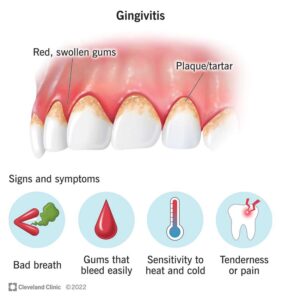
The most common cause of bleeding gums is gingivitis. Plaque buildup along the gumline causes inflammation, making gums red, swollen, and prone to bleeding—especially during brushing or flossing. Gingivitis is reversible with professional cleaning and good oral hygiene.
2. Plaque and Tartar Buildup
When plaque is not removed regularly, it hardens into tartar. Tartar irritates the gums and cannot be removed with brushing alone. Professional scaling and polishing are needed to stop gum bleeding and restore gum health.
3. Skipping Regular Dental Cleanings
Avoiding the dentist allows gingivitis to progress silently. What starts as mild bleeding can advance into more serious gum disease if professional cleanings are delayed.
4. Aggressive Brushing or Hard Toothbrushes
Brushing too hard or using a hard-bristled toothbrush can injure gum tissue. Switching to a soft brush and using gentle technique often helps reduce bleeding.
5. Hormonal Changes
Pregnancy, menopause, and hormonal fluctuations can make gums more sensitive and prone to bleeding, even with good oral hygiene.
6. Medical Conditions or Medications
Conditions such as diabetes, vitamin deficiencies, or blood-thinning medications may contribute to gum bleeding. A dental exam helps identify whether oral or medical factors are involved.
Can Bleeding Gums Turn Serious?
Yes. If untreated, gingivitis can progress to periodontitis, a more advanced form of gum disease that can cause gum recession, bone loss, loose teeth, and eventually tooth loss. Bleeding is often the first warning sign—ignoring it allows damage to progress quietly.
How Professional Dental Cleaning Helps Stop Gum Bleeding
At Polaris Dental in Brampton, professional cleanings remove plaque and tartar that cause gum inflammation. Regular dental cleanings every six months can:
-
Reverse gingivitis
-
Reduce gum bleeding and swelling
-
Prevent progression to periodontitis
-
Improve breath and overall oral health
In cases where deeper infection is present, a deep dental cleaning (scaling and root planing) may be recommended.
What You Can Do at Home
To help reduce gum bleeding:
-
Brush twice daily with a soft-bristled toothbrush
-
Floss gently once a day
-
Use dentist-recommended mouthwash
-
Avoid smoking
-
Maintain regular dental visits
However, home care alone cannot remove tartar—professional treatment is essential.
When Should You See a Dentist for Bleeding Gums?
You should book a dental appointment if:
-
Your gums bleed regularly
-
Bleeding lasts more than a few days
-
You notice swelling, bad breath, or gum recession
-
You haven’t had a dental cleaning in over six months
Early care is simpler, more comfortable, and more affordable.
Bleeding Gums Treatment in Brampton
If you’re experiencing bleeding gums, Polaris Dental Brampton offers gentle, comprehensive gum assessments and professional cleaning services to help restore your gum health and protect your smile.
Frequently Asked Questions (FAQs)
Is it normal for gums to bleed when brushing?
No. Healthy gums do not bleed. Bleeding usually indicates inflammation or plaque buildup.
Can dental cleaning stop gum bleeding?
Yes. Professional cleaning is one of the most effective ways to reverse gingivitis and stop bleeding.
Are bleeding gums a dental emergency?
Not usually, but they should not be ignored. Early treatment prevents serious complications.
How often should I get my teeth cleaned to prevent bleeding gums?
Most patients benefit from professional cleaning every six months. Some may need more frequent visits.