
Bad Breath Even After Brushing? Here’s Why
If you brush regularly but still struggle with bad breath, it can be frustrating—and embarrassing. The truth is, brushing alone doesn’t always address the root cause.
Understanding the complexities of oral hygiene is essential. For instance, many people think that brushing their teeth alone is sufficient to maintain fresh breath. However, it’s important to recognize that bacteria can thrive in places that are difficult to clean, such as the back of the tongue and the gum line. Regular dental check-ups and cleanings are crucial to ensure these areas are addressed.
What Causes Persistent Bad Breath?
Chronic bad breath (halitosis) is often caused by bacteria buildup in the mouth, especially in hard-to-reach areas.
Moreover, certain lifestyle choices can contribute to persistent bad breath. For example, diets high in sugar can promote the growth of bacteria. Additionally, smoking and alcohol consumption can affect saliva production, leading to dry mouth, which exacerbates bad breath. Remember, maintaining a balanced diet and staying hydrated are vital for overall oral health.
Common causes include:
-
Plaque and tartar accumulation
-
Food debris between teeth
-
Gum disease
-
Dry mouth
-
Tongue bacteria
Why Mouthwash Isn’t Enough
Many people rely on mouthwash for fresh breath, but this only masks the problem temporarily. The real issue is often bacteria trapped under the gums or in tartar deposits, which can only be removed professionally.
Furthermore, while mouthwash is a popular choice for many, it’s crucial to choose one that targets bacteria rather than merely masking odors. Look for antibacterial mouthwashes that contain ingredients like chlorhexidine or cetylpyridinium chloride, which can help reduce the bacterial load in your mouth.
How Dental Cleaning Fixes Bad Breath
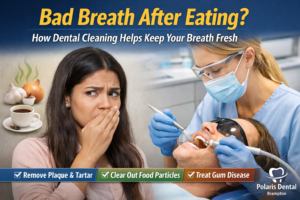
A professional cleaning targets the source:
It’s also worth noting that professional dental cleanings not only help with bad breath but can also prevent more serious issues like gum disease and cavities. Regular cleanings can save you from more extensive and costly treatments in the future.
-
Removes plaque and tartar
-
Eliminates odor-causing bacteria
-
Cleans below the gumline
-
Polishes teeth for a fresher feel
Patients often notice immediate improvement in breath freshness after a cleaning.
Signs You Need a Cleaning for Bad Breath
In addition to persistent odor, there are other subtle signs that may indicate the need for a cleaning. For example, if you frequently notice a film on your teeth when you wake up in the morning or find that your toothbrush bristles are stained, these can be indicators of plaque buildup.
-
Persistent odor despite brushing
-
Metallic taste in your mouth
-
Bleeding gums
-
Coating on your tongue
The Confidence Factor
Addressing bad breath is not just about physical health but also about confidence. Consider the social and psychological impacts of bad breath. Studies show that individuals with chronic halitosis may hesitate to engage in conversations or avoid social gatherings altogether due to fear of judgment.
Bad breath can affect your:
-
Social interactions
-
Professional confidence
-
Overall self-esteem
Fixing it isn’t just about oral health—it’s about feeling comfortable speaking, smiling, and interacting.
Preventing Bad Breath Long-Term
Beyond professional cleanings and daily oral hygiene, implementing a tongue-scraping routine can be beneficial. The tongue can harbor bacteria and food particles, contributing significantly to bad breath. Using a tongue scraper daily can enhance your oral hygiene routine.
-
Regular dental cleanings (every 6 months)
In addition to these practices, consider incorporating a diet rich in crunchy fruits and vegetables. Foods like apples and carrots can help clean teeth naturally and stimulate saliva production, which acts as a natural defense against bacteria.
-
Daily flossing
-
Tongue cleaning
-
Staying hydrated
👉 At Polaris Dental in Brampton, we provide thorough, gentle cleanings that eliminate the root cause of bad breath—not just mask it.
FAQs
FAQs about bad breath also often touch on dietary influences. For example, certain foods like garlic and onions are notorious for causing persistent breath issues. Understanding which foods can impact your breath is helpful in managing your oral health.
Q: Why do I still have bad breath after brushing?
A: Brushing doesn’t remove tartar or bacteria below the gumline, which are common causes.
Additionally, many individuals are unaware of the role that certain medications play in oral health. Some medications can cause dry mouth as a side effect, which may lead to increased bacteria and bad breath. If you suspect your medication is impacting your breath, consult with your healthcare provider about possible alternatives.
Q: Can a dental cleaning cure bad breath?
A: In many cases, yes. Cleaning removes odor-causing bacteria and buildup.
Q: How quickly will my breath improve after cleaning?
A: Most patients notice fresher breath immediately after treatment.
Finally, staying informed about the latest oral health research can empower you to take proactive steps in managing bad breath. Periodically reviewing new findings and recommendations from dental professionals can provide valuable insights into effective practices for maintaining fresh breath and overall oral health.